
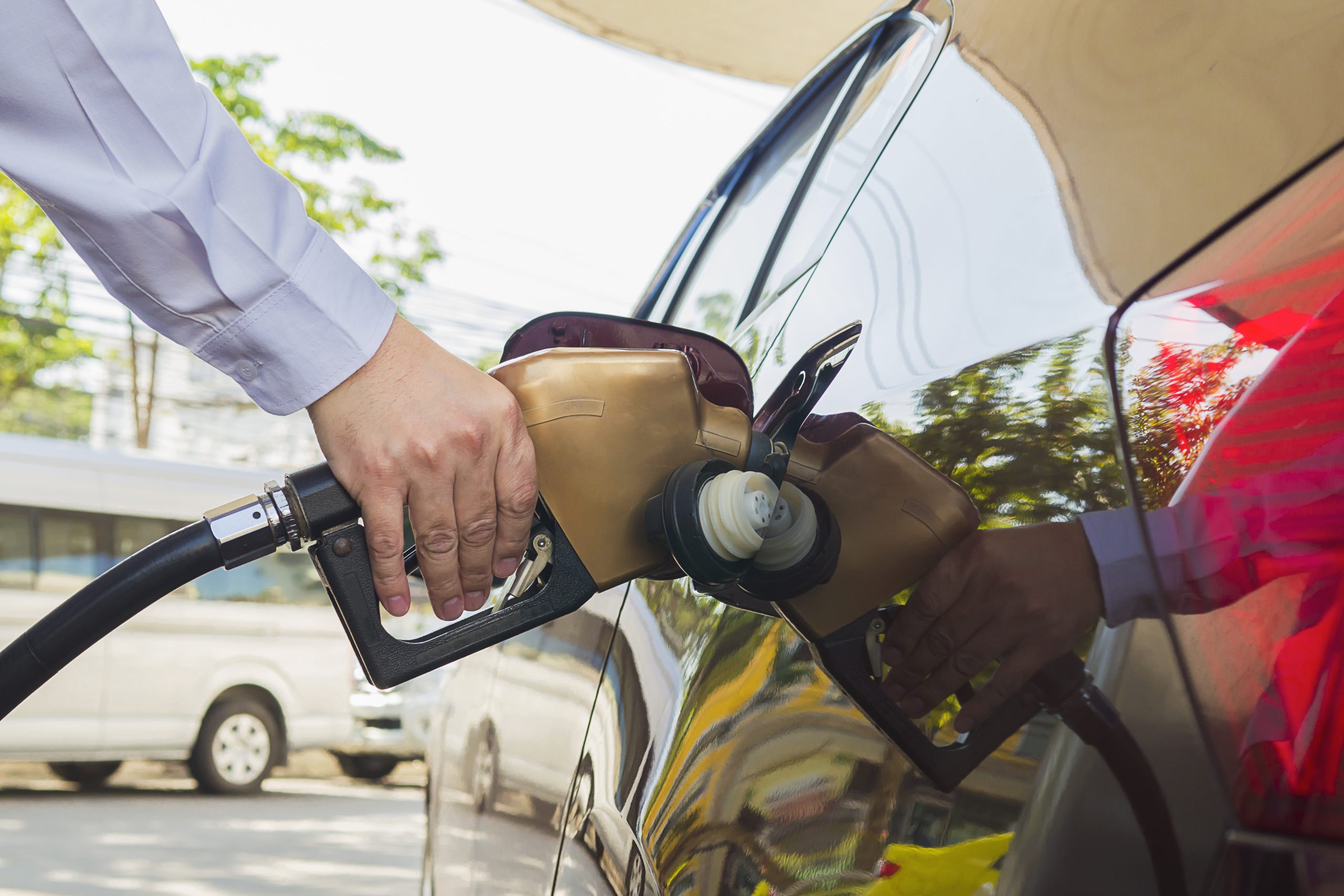

Fuel consumption has grown to be a significant issue for both people and the environment in India’s ever expanding metropolitan landscape. Every drop of fuel matters due to expanding pollution, clogged roadways, and rising fuel prices. While negotiating the traffic in places like Delhi, Mumbai, Bengaluru, and Chennai, many Indian drivers are always searching for methods to reduce their gasoline expenses. In Indian cities, conserving gasoline involves more than just altering driving practices; it also entails adjusting to certain local difficulties and paying attention to your car and surroundings.
Comprehending the Driving Environment in India
There are unique difficulties when driving in Indian cities. Increased fuel consumption is caused by a number of factors, including bad road conditions, traffic congestion, other drivers’ careless driving, frequent stops, and variable weather patterns. Adopting more intelligent, fuel-efficient driving habits begins with understanding and accepting these issues.
Driving in Indian cities requires a high degree of patience, flexibility, and attentiveness, in contrast to Western nations with better controlled traffic and smoother roads. Vehicles may sit in traffic congestion for many minutes at a time during peak hours. Speed limiters and potholes cause cars to slow down needlessly, which uses more fuel. The continual stop-and-go aspect of driving in congested urban areas is another factor that drastically reduces a vehicle’s average mpg.
Steer clear of aggressive acceleration and drive smoothly.
Smooth driving is one of the best strategies to reduce fuel consumption. Steer clear of hard braking and abrupt acceleration. Too much acceleration uses more fuel than is necessary, particularly in urban traffic where you will inevitably stop frequently. Maintaining a steady speed that corresponds with the traffic flow is crucial. In addition to helping you save fuel, smooth, progressive acceleration and soft braking also help your engine, brakes, and tires last longer.
In traffic bottlenecks in India, vehicles frequently honk impatiently or dash to the next red light. However, this hostile conduct only wastes fuel. Smoother transitions and more economical fuel use are made possible by being composed and anticipating the actions of other cars.
Reduce the A/C Use
Air conditioning uses a lot of gasoline even though it provides much-needed respite from the intense Indian heat. The AC’s impact on fuel efficiency is considerably more noticeable in urban traffic when the car is moving more slowly or is not moving at all. Using the air conditioner sparingly is a smart suggestion. Turn it off when it’s not absolutely essential, or set it to moderate levels instead than full cooling.
Rolling down the windows can be a better alternative during colder times of the day, such early mornings or late evenings, especially when driving in low-speed zones. However, open windows can decrease fuel efficiency and increase wind resistance at higher speeds, like on highways or flyovers. Finding a balance depending on the particular driving circumstance is crucial.
Keep the tire pressure at the right level.
Underinflated tires can significantly reduce fuel efficiency, but many drivers neglect tire maintenance. Because of the increased rolling resistance caused by low tire pressure, the engine has to work harder and use more gasoline. Checking your tire pressure before a lengthy drive or at least once every two weeks is advised.
Tyre pressure can fluctuate more quickly than you might think in Indian cities because of the abrupt weather changes and variable road temperatures. Although it’s not necessary, using nitrogen rather than ordinary air is one method to keep tire pressure constant for longer periods of time. Maintaining tires in good condition contributes to reduced fuel consumption and a better ride.
Cut Down on Idling Time
A silent fuel killer is idle. Long lines at railroad crossings and traffic signals are typical in Indian cities. During these times, many drivers continue to run their engines, inadvertently wasting precious fuel. Turning off the engine is frequently a more fuel-efficient option if you plan to remain motionless for longer than a minute.
Contemporary automobiles are equipped with start-stop technology, which automatically turns off the engine when it is not in use and restarts it when necessary. If your vehicle lacks this capability, you can still save a lot of money over time by manually shutting off the engine when you stop for an extended period of time.
Make a Smart Route Plan
Unpredictable traffic congestion are a notorious feature of Indian cities. Modern GPS applications and real-time traffic updates have given vehicles the ability to maneuver through crowded locations. You may avoid being caught in severe traffic and save fuel by planning your trip ahead of time and selecting less congested highways.
Instead of making numerous separate trips, try to run various errands in one trip. Compared to a warm engine operating constantly, cold starts—starting the engine after it has been off for some time—use more gasoline. Combining journeys reduces the amount of time spent driving overall and helps lower the frequency of cold starts.
When feasible, carpool and take public transportation.
Although adopting public transportation or carpooling, even on occasion, might result in significant fuel savings, this may appear to be a departure from individual driving practices. Metro systems are effective and cover large areas in cities like Delhi and Mumbai. In addition to saving fuel, taking public transportation on everyday commutes also lessens car wear and tear.
Another sensible choice, particularly for those who work in offices, is carpooling. By splitting the cost of gas among more people, carpooling with coworkers or neighbors helps to minimize the number of cars on the road. This minor action also helps to reduce pollution and traffic congestion.
Keep Your Car in Good Repair
A car with proper maintenance uses less fuel. Using high-quality fuel, doing routine maintenance, and changing your oil on time all contribute to the smooth operation of your engine. Fuel consumption may increase due to the engine having to work harder due to a filthy air filter or a broken spark plug.
Keep an eye on your mileage as well. Unexpected decreases in fuel economy may be a sign of more serious problems such fuel leaks, engine problems, or poor fuel quality. Frequent inspections keep your car in top shape and help identify issues early.
Steer clear of unnecessary load
In Indian cities, many automobile owners keep useless stuff in the boot of their vehicles for extended periods of time. Vehicle weight puts extra strain on the engine, increasing fuel consumption. Even carrying a roof rack or carrier when not in use reduces mileage by increasing aerodynamic drag, particularly at higher speeds.
Fuel savings can be modest but apparent if you clear out your car of unneeded items and remove external equipment when not in use. Every kilogram counts, especially in stop-and-go traffic where it takes more energy to accelerate.
Develop Fuel-Saving Driving Practices
In addition to the technical and mechanical advice, fuel efficiency can be significantly increased by driving with awareness. Steer clear of abrupt lane changes, excessive honking, and clutch misuse in cars with manual gearboxes. A common practice among Indian drivers is to place their foot on the clutch pedal, which reduces fuel efficiency and causes wear. Long-term effects may result from learning to drive more effectively, possibly through defensive driving classes.
Use engine braking rather than clutching or riding the brakes if your city has a lot of flyovers or downhill slopes. Over time, these minor adjustments to driving habits might result in surprisingly significant fuel savings.
In conclusion
It takes a combination of alertness, self-control, and adjustment to local driving conditions to save fuel when driving in Indian cities. Making better decisions every day is more important than making significant or costly adjustments. Every little effort counts, from efficient driving and route planning to routine maintenance and conscientious air conditioner use.
In addition to being economically necessary, effective fuel use is also environmentally necessary as Indian cities and traffic continue to rise. Drivers who adopt fuel-saving practices support a broader sustainability movement in addition to their own financial benefits. It is imperative to drive more intelligently in a nation where every rupee and every drop of petrol matters.