
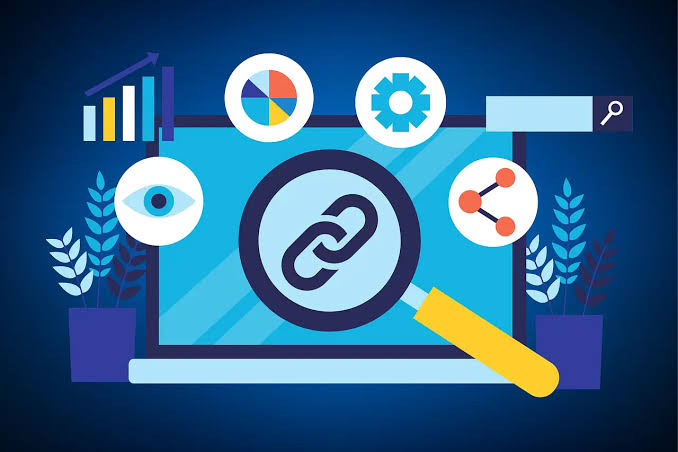

For a small business, a website can be polished and useful yet still struggle to attract visitors. Search engines need signals that help them understand which pages deserve attention, and links from other relevant websites are one such signal. Building those links takes time and judgment: the goal is not to collect as many as possible, but to earn credible references that make sense for your audience.
Backlink building works best as part of a broader marketing plan. A link may bring readers directly to your site, introduce your business to a new community, and help search engines discover and assess your pages. Those outcomes depend on where the link appears, why it was included, and whether the linked page genuinely helps the reader.
Start with pages worth recommending
Before approaching publishers or partners, review the pages you hope people will link to. A practical guide, original research, a useful checklist, or a detailed explanation of a service gives another website a clear reason to cite you. A basic sales page may be important to your business, but it is not always the strongest link destination on its own.
Ask whether a page answers a question thoroughly, offers information that is hard to find elsewhere, and is easy to understand on a phone. Check that its claims are current and that the page loads properly. If it is thin or confusing, improve it first. Outreach cannot reliably compensate for a destination that disappoints visitors.
Choose relevant websites, not just impressive numbers
A link from a site connected to your industry or audience is usually more meaningful than one placed on an unrelated website simply because it has a large audience. Consider the publication’s subject, the quality of its articles, the readers it reaches, and whether links appear naturally in useful content. A smaller, well-matched site can be a better fit than a prominent site with no connection to your work.
It is worth understanding the differences among common approaches before investing effort. This backlink-building guide outlines methods such as guest posting, digital PR, niche edits, and reclaiming unlinked brand mentions, while also discussing link quality and common pitfalls. No single method suits every company; the right choice depends on what you can offer and the audiences you want to reach.
Use methods that create a real reason to link
Guest posting can work when you have useful expertise to share with a publication’s readers. Pitch a specific topic that fits its coverage, then write an original article rather than repackaging a sales message. The link should support the discussion, not interrupt it. A publisher may decline a pitch, so treat outreach as relationship-building rather than a guaranteed placement.
Digital PR gives journalists and publishers a reason to cover your business, such as a timely finding, a distinctive expert perspective, or a useful response to a developing story. This approach can take more preparation, but it can earn attention beyond a single link. Make any data, quotes, or claims easy to verify and avoid presenting ordinary business news as a major discovery.
Brand mention reclamation is a practical starting point for some businesses. A writer may refer to your company, product, or research without linking to it. A brief, courteous message asking whether a link would help readers can be appropriate. Niche edits—adding a link to an existing article—also require care: the article should be relevant, the placement should improve it, and the publisher should have editorial control.
Keep quality and transparency in view
Be cautious of offers promising a large number of links quickly or guaranteeing search rankings. Paid placements disguised as independent recommendations, irrelevant directories, and automated link schemes can create risk without providing lasting value. Search engines may ignore low-quality links, and an audience that encounters an unnatural placement may lose trust.
Agree on the work and terms before hiring help. If you need support with research, writing, design, or outreach, a freelance marketplace such as Osdire can help businesses find independent service providers across different specialties. Define the deliverables, review examples, and set expectations for revisions and communication. Treat any link-building work as a process to assess, not a promise of specific rankings.
Measure progress over time
Keep a simple record of the websites contacted, the pages pitched, replies received, and links earned. Review whether those links bring relevant referral visits and whether the linked pages are useful to new readers. Rankings can shift for many reasons, so avoid judging a campaign by one keyword or a short-term change alone. Look for a pattern across several months.
A sustainable backlink plan is built on relevance, useful content, and honest communication. Start with a manageable list of publications and partners, personalize each approach, and learn from the responses. Over time, this steady work can expand your reach and strengthen the site’s reputation without turning link building into a numbers game.